Anyone can be "the family chef". You just need good recipes and techniques! Chef Amy Fothergill shares her best recipes with you for quick and easy dishes with an emphasis on gluten-free.

Get information here about her cookbook, The Warm Kitchen: Gluten-Free Recipes Anyone Can Make and Everyone Will Love.
Showing posts with label cooking for kids. Show all posts

Monday, May 5, 2014

7 minute chicken


On nights when I know there won’t be a lot of time to cook, I use this recipe/technique. It's one of my favorite recipes from my book, The Warm Kitchen.

What I love about it is that I can change the flavor profile of the chicken based on what herbs and spices I use. If I’m in the mood for a particular flavor or just want to use up something else, the dish can easily be transformed. I used to just call this sautéed chicken then realized one of its benefits is how quick it comes together. Yes, I timed it...7 minutes!

The chicken has to be either flattened or cut in half in order for it to cook properly in 7 minutes; otherwise, it might take about 12-15 minutes total. Adding some liquid like lemon juice or broth at the end helps to finish the cooking as well.

This recipe is naturally gluten-free. If you use a butter substitute or coconut oil instead of butter,
it is dairy-free as well.

In case you haven't seen it yet, I have been featured in the Spring issue of Cafe' Tecumseh (see below). In the interview portion, this recipe is mentioned. You can get my recipe for Chicken Tenders with Orange Mustard sauce which is in the magazine here. To view the full digital copy, click here.

I encourage you to try this recipe for your family. It's easy and tasty!
This recipe was featured on pg 25 in this magazine!


7 Minute Chicken

Serves 3-4                                                                     

1 pound boneless skinless chicken breast, trimmed of fat and/or connective tissue, flattened with a meat mallet or made into cutlets but cutting across the middle

1-2 teaspoons herbs and spices (see below)

2 teaspoons olive oil

Juice of ½ lemon or ¼ cup chicken broth

1 tablespoon unsalted butter, butter substitute or non-virgin coconut oil, i.e. plain, without a coconut smell

Optional: 1 cup chicken broth

1 tablespoon of cornstarch mixed with 1 tablespoon water


FLAVOR PROFILE BLENDS

Italian blend: Mix ½ teaspoon each oregano, thyme, ground black pepper, garlic powder and salt or about 2 teaspoons of an Italian seasoning blend

Mexican blend: Mix ½ teaspoon each cumin, coriander, oregano, garlic, salt, and pepper

Indian blend: Mix ½ teaspoon each cumin, salt, and pepper and ¼ teaspoon each coriander, curry powder or turmeric, and ground ginger.

 1. Mix herbs and spices in a small bowl. Sprinkle half over chicken. You can save any extra   seasoning as long as it has not touched the raw chicken.

2. Heat medium sauté pan to medium or medium high. Once the pan is hot, add the oil and quickly place the chicken in the pan, seasoning side down, being careful not to crowd the pan.

Cook in batches if necessary. If using a non-stick pan, add oil and then heat pan. As soon as oil is hot, add chicken.

3. Do not move chicken in the pan. Sprinkle remaining seasoning on other side of chicken. Adjust heat if necessary so that you can hear the chicken cooking but so that it’s not burning.

4. Once chicken is fragrant and beginning to turn white on the edges, turn over and cook the other side. The cooked side should be brown. Again, do not move around in the pan and try not to overcook.

5. Cooked chicken will be firm when you press it. If it’s not done, it will feel soft. Try to resist the temptation to cut into it; you’ll lose a lot of the natural juices.

6. Once the chicken is cooked, you can deglaze the pan by adding fresh lemon juice or ¼ cup chicken broth. Let that cook for 1 minute, remove from heat, then add 1-2 tablespoons unsalted butter. It should only take 7 minutes from the start of the cooking process to this step.

7. Optionally, to make more sauce and/or to help finish cooking the chicken, place the pan back on the burner over medium heat. Add 1 cup of chicken broth to the pan and bring to a simmer, lowering the heat if necessary. When the broth comes to a simmer, stir the cornstarch and water mixture and add it to the pan. Stir the sauce in the pan until combined. Cook 2-3 minutes or until the sauce is thick and the chicken is fully cooked. Taste sauce and adjust seasonings. If the sauce is gritty, continue simmering another 1-2 minutes.

Wednesday, April 2, 2014

The best gluten-free chicken tenders

Without a doubt, these are better than anything I or my children have ever had in a restaurant! Well, in my humble opinion, that is. When I make these, I make a double batch. We use half for the meal and I either freeze the rest or use it for lunches or leftovers.

You can use this recipe for fish or almost any other protein, even tofu! For our family, I use a dairy substitute like almond milk to make it dairy-free. Although a few years back some people thought eggs were in the dairy category, they actually are not. Dairy refers to anything that comes from a cow. I'm also providing an egg-free substitute as well as this can be another allergen many children and even adults can't tolerate.

Want something a little more sophisticated? Try serving them with an apricot Dijon sauce (yes, that's in my cookbook, The Warm Kitchen) or a sriracha or sesame oil mayo. Getting ready for the game? Toss these with your favorite buffalo wing sauce. So many possibilities! Does your child like ranch dressing but can't have dairy? Try Follow Your Heart's vegan ranch dressing.

Give it a try and don't be afraid to fry these. I fill a big pan with about 1/4"-1/2"of oil since I don't fry too often. It's so worth it. Let me know how you like them.

For more gluten-free recipes like this, check out my cookbook, The Warm Kitchen!


Gluten-Free Chicken Tenders 

Makes about 12-16, depending upon the size of the tender

1 pound boneless, skinless chicken breast or tenders

2 tablespoons white rice flour
2 tablespoons potato starch
1/2 tsp sea salt
1/4 tsp each black pepper

1 large egg or egg substitute (see below)
1 tablespoon milk or milk substitute, plain and unsweetened

2 cups gluten-free corn flakes, crushed or ground in a processor (measure first, then crush)

1-2 tablespoons olive or vegetable oil

Egg Substitute: to make 1 egg, mix 1 tablespoon of ground flaxseed with 3 tablespoons warm water in a bowl. Set aside for 5 minutes.


  1. Slice chicken breasts into strips; if using tenders, proceed to the next step. Pat dry if wet.
  2. Mix flour, starch, salt, and pepper in a shallow bowl. Place egg or egg substitute and milk in another shallow bowl and beat lightly. Place corn flake crumbs in another shallow bowl.
  3. Bread the chicken. Take 3-4 pieces of chicken and first dip in flour mixture. Shake excess. Dip in egg and then corn flake crumbs. Place breaded chicken on plate or tray until all chicken is coated.
  4. Place 1 tablespoon of oil in a large sauté pan. Heat to medium heat. Add one piece of chicken to the oil. If chicken does not make a sizzle sound, let the pan heat up more. Add chicken pieces but don’t crowd pan. Don’t move chicken; allow to brown. Turn once and cook until heated through. Place on a piece of paper towel on a plate and place chicken on this plate to absorb some of the oil. Use more oil if needed.
  5. To keep tenders warm or to crisp up, place tenders on a baking sheet and place in a 350°F oven for 5-10 minutes.
  6. Serve with So Simple Tomato Sauce, Spicy Orange Sauce, or Barbecue Sauce (see cookbook). 

Tuesday, March 11, 2014

Is Your Mini Chef Ready for Prime Time?


Some people get fired up about cooking early in life. I know, I did. My mother always had something simmering on the stove when I was little and this greatly inspired my own early kitchen endeavors. Now I see my children expressing an interest in cooking as well and this makes me excited to be passing the cooking gene to the next generation.

If you've ever watched Rachael Ray and Guy Fieri on Rachael vs. Guy: Kids Cook Off you know the level of enthusiasm that goes into this kid-centered Food Network production. Now the team is putting out a casting call for kids ages 8 to 13 for the show's second season and is looking for children with captivating personalities who have a passion for the culinary arts.

Maybe you know someone who fits this description? If so, you can apply through the website, here. The deadline is April 18, 2014.

Happy cooking and good luck!


Tuesday, July 23, 2013

10 Ways your children can help in the kitchen

I was looking at some of the photos in my upcoming cookbook, The Warm Kitchen, and stopped on the page with my daughter's hand helping with the gluten-free tortillas. I looked at it and recalled she and I making one of her favorite dishes. It got me thinking about how important it is to have kids help in the kitchen and become involved in the process of prepping.

My friend Jennifer Lee over at Crunch a Color has a blog devoted to involving your kids in the kitchen and developed a game to encourage healthy eating at the dinner table. Having them help in the kitchen is one strategy for getting your kids to eat better. They are more likely to eat what they cook or have helped prepare.

I think the number one thing you need to do in the kitchen with your kids is keep them safe. I would suggest the following 3 things at a minimum. Keep them away from:

  • Raw meat (if they might eat or lick it)
  • Anything hot (after a friend’s 9 yr old daughter had a terrible accident with a hot cup of tea, I’m much more strict about what my kids do in the kitchen)
  • Sharp knives, unless they are being supervised
With that being said, my son has helped me roll meatballs, my daughter has helped cook pancakes, and both have used knives; with me standing next to them. So, use this list based on your judgment and your children since you know them best. I hope this encourages you! Check this blog for great family-friendly recipes.

10 Ways Children Can Help in the Kitchen

1. Make salad/rip lettuce: Make sure their little hands are clean and then get them to work. They can rip lettuce with their hands, spin the salad spinner (a favorite in our house) or add veggies to the bowl. I assumed my kids would not eat salad until they were older but my neighbor (with slightly older children) offered my son salad at 2 years old. It is now a staple in our diet.
Check out this post.

 2. Mash things that are not hot: I remember when my daughter was born, I was looking for ways to give my son extra attention; having him help me cook was one way I did that. While I was trying to make dinner, I propped him up on a stool with a bowl and some cooked (but not hot) potatoes and let him go to town. Other things that can be mashed: cauliflower, butternut squash, broccoli, bananas, or even strawberries for shortcake.
Try this delicious gluten-free banana crunch muffin.

3. Cut with a plastic knife: I never thought a toddler could cut broccoli, but I was proved wrong (see above photo). A friend stood nearby and watched her while we cooked dinner. She loved "helping" and it kept her busy. I'm not sure if I would have given this task to my son; my daughter was always much calmer and I trusted her. Make sure what they are cutting is soft like melon, a peeled cucumber, broccoli, mushrooms, etc. 

4. Stir a sauce: If you are making a sauce either for dipping or for a marinade, let your child watch you measure and then allow them to mix it up. Often times, I would pour the ingredient into the cup or spoon and she would pour it into the bowl. Both of them love to use a whisk to mix it up.
Try this recipe for Duck Sauce.

5. Baste meat: Although this is an activity that requires more supervision (no finger licking allowed!), using a brush to baste chicken, fish, or beef is a lot of fun!

6. Roll meatballs: Recently, while making dinner, I realized I just needed some help. I got my daughter to prep the salad (she's 7 now) and my son to roll the meatballs (he's 9) while I mixed the meat and portioned it out on the tray. For some reason, my daughter has always liked to roll meatballs, too. It was such a satisfying experience to have the 3 of us in the kitchen working on dinner. You don't want to do this with a child who is too young and who might eat the raw meat or lick their hands; supervision is most definitely suggested.

7. Measure flour and/or ingredients: When you are making things like pancakes, waffles, muffins, or even, cookies, it's really okay if not everything is exact. I would rather have my kids in the kitchen helping than worrying about making the perfect dish. There's no doubt; this is something my daughter likes to help with rather than my son. Now she has learned how to level off the flour and the baking soda or powder, measure sugar (her favorite ingredient), and use a liquid measuring cup. A lot of this takes patience when they are young but will pay off later.
Making your own pancakes is easy! If you are not GF, here's a recipe for whole grain pancakes.

8. Roll dough: There's a reason why playdough is so popular; kids love to roll things. Now, maybe you don't want them rolling your famous holiday pumpkin pie but there's always something they can do like the extra pastry or pizza dough or even cookies. They can use a regular rolling pin, kid's one, or just their hands. Just keep an eye on what goes in their mouth if the dough has anything raw in it like eggs.

9. Mix a batter: Whether it's pancakes or pudding, give them the whisk, paddle, or spatula and let them go to town. Just make sure the batter stays in the bowl!
Why not try French toast? It can easily be adapted to gluten-free

10. Decorate cakes or cookies: Make cake and cookie decorating more fun and less like Cake Boss. Let them add color, candy, frosting, etc. Just be careful to not over do it on the sugar!
Here's a post on regular gingerbread cookies and icing.

Do you have any more to add to this list? If so, please leave a comment!


Thursday, March 14, 2013

Healthy Lunch Challenge


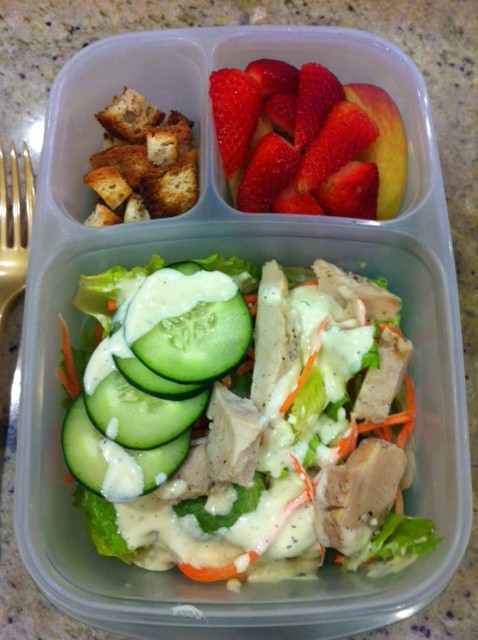
When I was asked to create an example of a healthy gluten-free lunch for the ladies of Easy Lunch Boxes and Crunch a Color, I jumped at the chance. It was easy for me because this is what I (try to) do 5 days a week.

I have been using Kelly Lester's Easy Lunch Boxes (ELB) since 2010 (see my review here). I still have the original containers and only now have to replace one of the lunch bags; it’s gotten a lot of use! I find them very convenient and easy to use. The bag fits either two ELB plastic containers or an ELB container, a metal container (if needed) and a thermos for hot food. When we get home from school, my kids help by putting the containers and/or thermos in the dishwasher. I even have a special place on the top rack where they fit perfectly.

I think the Crunch a Color game is great. If you have picky eaters who don’t like to try new things, this might be the solution. The game is meant to make healthy eating fun. We have all had our challenges getting our kids to eat a well balanced meal. I love that Jennifer Lee and I share many things in common including children of similar age and dealing with some times opinionated eaters (that's a nicer way to say it, isn't it?). We even got together to put on a "Healthy Cooking Tips for Busy Moms" cooking class to benefit Jamie Oliver's Food Revolution.

So, what was for lunch? Just a few of my favorite things. Believe it or not, my kids love Caesar salad. They will order it almost every time we are out (hold the croutons, though) so this is one of my go-to lunch meals. I make my Easy Caesar Dressing and keep it in the fridge for a few weeks (get the dairy-free version here). This way, it’s easy to grab whenever I need it. I will add other veggies like shredded carrots, cooked broccoli or cucumbers, depending upon what’s in the fridge. The croutons are simply Udi's gluten-free whole grain bread which are cut into cubes, oiled and seasoned and toasted until golden brown.

I have a new favorite chicken recipe which uses Just Cook Food’s (a local San Francisco company) Herbed Coffee rub. For every pound of boneless skinless chicken thighs, I add 1 teaspoon each of the coffee rub and olive oil. I stir it around and let it marinate for about 20 minutes. Then it’s onto the grill for about 10-15 minutes. You can also bake it on a tray in a 400F oven for about 15 minutes. Since this dish works well, I usually make 2-3 pounds and then use it for 1-2 other meals besides lunches. You would not believe how much my 9 year old son eats!

Lastly, the "dessert" is one of my homemade gluten and dairy-free blueberry muffins. Making muffins and quick breads dairy-free is actually quite easy; substitute vegetable oil for the butter and any alternative milk (like soy, almond, or coconut) for the milk. No problem! If you don't have dairy restrictions, simply use the regular version.

I used the Crunch a Color cards to see how I did for this lunch. Based on the numbers, I think I did pretty well! I hope this post inspires you to change it up for your lunch. Thank you, ladies, for including me in your challenge!

Monday, October 8, 2012

Pumpkin Pie Muffins (gluten-free and regular)


There's not much to say about these delicious muffins! This recipe will be in my cookbook. One of the testers said "My daughter said they tasted like pumpkin pie. And my little guy couldn’t help himself from stealing fistfuls of the ones we were trying to save for his daddy."

You can easily call them a cupcake if you add buttercream or cream cheese frosting (as seen above). Since many of my recipes started out "regular" and then I converted them to gluten-free, I thought it would be easiest to provide options for either.

Here are a few more tips:

  • Gather your ingredients on the counter first. Eggs are best if used at room temperature.
  • Use one bowl for dry ingredients and one bowl for wet. Measure the dry ingredients first.
  • Invest in a good 12-cup muffin tin that won't burn the bottom of your muffins. It will be worth it.
  • For easy and consistent portioning, when making muffins, use a hinged-type ice cream scoop (also known as a scooper). These can be found at restaurant supply stores in different sizes.
Enjoy!


Pumpkin Pie Muffins (regular and gluten-free)

Dry Ingredients
2 cups Amy’s Gluten-Free Flour Blend or regular all-purpose flour
2 tsp baking powder
1/2 tsp baking soda
1/2 tsp salt
1/2 tsp xanthan gum (omit if not making gluten-free)
1 rounded tsp ground cinnamon
1/2 tsp ground ginger
1/2 tsp ground nutmeg
1/4 tsp ground cloves

Wet Ingredients
2 large eggs
1 can (15 to 16 ounces) pumpkin puree
1/3 cup melted butter or vegetable oil
1/2 cup milk or milk substitute
1/2 -3/4 cup organic sugar or other natural sweetener
1 tsp vanilla
Optional: 1/2 to 3/4 cup chopped pecans and/or raisins

1. Preheat oven to 350º F. Line muffin pans with paper cups or grease tins generously.
2. In a large bowl, mix the dry ingredients.
3. In another medium bowl, mix the eggs. Add the pumpkin, butter or oil, milk, sugar, and vanilla.
4. Add the wet ingredients to the dry ingredients and mix gently. Add nuts if using.
5. Portion out regular or mini muffins into the cups, filling 2/3 full. Bake regular muffins for 20-25 minutes or mini muffins for 12-16 minutes.

Tip: Always test muffins 1-2 minutes before the recommended time in case your oven is hotter than normal. For regular muffins, insert a toothpick into the center of a muffin. When it comes out dry with some crumbs, it is done.
For gluten-free muffins, instead of using a toothpick to test for doneness, press your finger into the muffin. When it springs back, it’s done. If it leaves an indentation, continue to bake and test in 1-2 minute intervals.

6. Once done, allow muffins to cool for about 2-3 minutes and then remove from the pan.

Friday, April 20, 2012

Gluten free and dairy free Caesar salad dressing recipe


Think outside the sandwich with Caesar salad!

Running out of gluten-free and dairy-free lunch ideas for your kids’ lunchboxes? This can be a particular challenge when most traditional options revolve around bread and cheese. Of course you can always use gluten-free bread to make the traditional turkey or peanut butter and jelly, but why not think outside the standard lunch box fare and prepare a fresh salad? Children are often big fans of Caesar salad for the creamy dressing, pleasantly non-bitter romaine lettuce and the crunchy croutons. I love to use Easy Lunchboxes since it’s easy to keep everything separated; the croutons would be a bit mushy if I put them on in the morning!

I usually make this dressing with Parmesan cheese but have had a few people request a dairy-free version. I adapted this recipe, which is a fan favorite, by eliminating the cheese and adding the Dijon mustard. In my opinion, it’s almost identical. My family gave it the double thumbs up! If you want really traditional, you can top it with anchovies (a bit too fishy/salty for our tastes, though).

The recipes below give you an option of that beloved crunch and the creaminess you get from a restaurant Caesar salad without the use of wheat or dairy. I make the dressing with regular mayonnaise, which is made from egg and naturally dairy free, and the croutons I prepare from gluten-free sliced bread or baguette. With a few key ingredients on hand you’ll be surprised how easy it is to prepare!

Dairy-Free Caesar Salad Dressing (or dip)
1-2 garlic cloves, cut into 4-6 pieces
1/2 cup regular mayonnaise
3 tablespoons olive oil
1 1/2 teaspoons kosher salt or 1 teaspoon table salt
2-3 tablespoons fresh lemon juice
1/4 teaspoon ground pepper
1/2 teaspoon Dijon mustard

Place all ingredients in a small food processor and blend for 1-2 minutes. Keep refrigerated until ready to use. Toss with crisp, romaine lettuce pieces, cucumber slices and shredded carrots. Optionally add 2-3 ounces of grilled chicken per person.

Gluten-Free Croutons
½ loaf gluten-free baguette bread, cubed, or about 6 slices gluten-free bread cut into cubes
2-3 tablespoons olive oil
1/2 teaspoon kosher or sea salt
1/4 teaspoon each ground black pepper, oregano, and thyme

Toss bread with olive oil and seasonings. Place on a baking sheet. Bake in a 400F oven until brown and crisp. Store covered at room temperature.

Caesar salad

Wednesday, March 28, 2012

Green smoothies: The new fun way to drink your veggies!


 Thank you to Hilary Greenleaf for the complimentary e-book for use in this review.

Author Hilary Greenleaf brings new meaning to the idea of drinking your troubles away. She asked me if I’d review her latest book, The New Green Smoothie Diet, and I must say Greenleaf really pours on advice and nutritious recipes in a pretty digestible 35-page read. Available in both hard copy and e-book form, Greenleaf writes that the key to her green smoothies is combining fruits and vegetables in a respective 60 to 40 percent ratio so you can get the benefits of each while avoiding the often-bitter taste of raw vegetables. She offers information on maintaining good, general health as well as tips and recipes for specific interests ranging from hair care to cancer prevention. Trying to lose weight? Trim off a few pounds with the help of a Blackberry Lettuce Smoothie. Want to ward off that nasty cold that’s been going around? Then The Mighty Citrus Smoothie should do the trick.

The handy thing about smoothies is that it’s so simple (and fun!) to pack in a ton of colorful nutrition in such a condensed space. Many fruits and vegetables give us vitamins A and C, plenty of fiber and countless antioxidants and other disease-fighting benefits. If your kids turn their nose up at raw kale maybe they wouldn’t mind drinking a naturally sweetened version in a fun cup or pretty glass. For example, I think most kids will be delighted with the mauve color of the Energy Booster Smoothie and will likely not notice the spinach flavor so much.


As long as you’re not expecting Jamba Juice, you should be quite satisfied with the natural sweetness level of these smoothies. For kids, Greenleaf recommends upping the fruit portion to 70 percent until they get used to the flavor. You can also sweeten the concoction with natural, fruit-sugar containing mango or pineapple or by squirting in some citrus juice. Greenleaf actually discourages the use of fruits that naturally contain a lot of sugar, but if a little orange or mango juice helps my kids swallow their leafy greens, I’m pretty happy!

Thursday, April 7, 2011

Tips for cooking with kids

Thank you to Emily Patterson, Communications Coordinator of Primrose Schools. I felt this article had some great points!

In the picture, you see a 2 year old helping out with the prep (with broccoli of all things!). I personally feel that when kids are young, it's much easier to have them in the kitchen where you can watch them.

Emily has some great tips for how to keep them occupied and engaged.

"Cooking with Children: A Recipe for Kitchen Safety & Fun

Bubbling pots, sizzling skillets and delicious smells can make the kitchen a fascinating – yet dangerous – place for young children. However, the potential hazards don’t have to keep children out of the kitchen. Dr. Mary Zurn, vice president of education for Primrose Child Care Facilities, says kitchen time can be a great way for families to regain some lost, but valuable, family time.

“The kitchen is often the most popular place in the house for families to gather. It’s a place for learning and sharing, where the family can enjoy quality time. Children can also develop a sense of responsibility by participating in daily tasks,” said Dr. Zurn.

Parents can keep the kitchen safe and fun for children by following this simple recipe:

1. Engage your child meaningfully. Think about what tasks your child can do independently. Completing simple jobs like mixing batter, rolling dough and measuring water can boost a child’s sense of pride and accomplishment. Tearing lettuce, adding sprinkles to sweets and shaking parmesan onto pasta are other safe, satisfying tasks children can easily accomplish. Even very young children can get involved – give them some pots, pans and wooden spoons so they can pretend to cook with you or use them for music-making. The tuneful accompaniment will let you know they’re safely engaged and give them a way to feel like they’re helping too.

2. Set some ground rules. Children need supervision when they’re in the kitchen, so establish a list of basic safety rules and make sure children are always within sight. Teach children to wash their hands before and after handling food to avoid spreading germs. Discuss on a regular basis what’s safe to touch and what’s not. Make sure the handles of pots and pans are turned inward on the stovetop so you and older children don’t accidentally bump them and spill hot liquids or food.

3. Build up skills step-by-step. Children can develop many essential skills in the kitchen, such as following recipes or counting slices of bread. For more advanced skills, start slowly and have your child master easy tasks before attempting harder ones. Teach older children to use a knife by starting them off with cutting soft items like cheese and cooked noodles with a dull spreader. As your child’s coordination develops, they can move on to slicing or sawing vegetables and fruit with a plastic knife.
4. Keep it fun. Cooking can be messy even without children, so don’t stress over the “oops” moments. If the cookie batter ends up on the floor instead of the baking sheet, offer some guidance and let your child try again. You can make cleaning it up fun too!

When your meal is complete, be sure to compliment your sous chef on a job well done. Offer them the first taste of whatever you cooked together and ask them what you should make next time. Bon appétit!"

Thank you Emily, for a great post!

Thursday, February 17, 2011

Think your kids won't eat tofu and kale?


My children continue to amaze me with what the eat. Last night, it was sautéed dino kale with Italian white beans (the really big ones), both from Half Moon Bay's Iacopi Farms and strips of tofu (Hodosoy's Yuba) topped with freshly grated parmesan cheese. I joked with one friend on Facebook "When did I become so crunchy?!".

If you asked me 7 years ago, when my motherhood career began, I never would have thought any child would have eaten this. After having children, my perspective changed dramatically. It comes down to what I tell my clients, never assume what your children will and won't eat. I feel my role in this equation is to make sure people know how to cook food properly and how to season dishes effectively. This can make all of the difference in the world.

I'm going to break down the recipe in parts for you first:
I soaked the beans in the crock pot. Yes, you can always use canned beans but what a difference. Beans soaked in the crock pot come out really creamy (thanks, Lisa, for that suggestion). If you are cooking in the crock pot, place rinsed beans with about 4-6x more water and cook on High for 2-3 hours. Change the setting to Low for another 2 hours. I had to do this manually but maybe your cooker has the ability to be programmed. Either way, the result was a cooked, tender and creamy bean that was good by itself. You could always soak for 8 hours but it may need to be cooked for another hour on the stove afterwards.
Family Tip: for the picky eater, keep the beans separate from the rest of the dish or serve them mashed with some olive oil and a pinch of salt. They are also really good with pasta.

Sauté chopped onion and ground pepper in a little olive oil but not salt. Cook on a medium heat, stirring only occasionally. Add some butter and cook a few minutes, then add the garlic and salt. Cook for one minute before adding the kale.
Family Tip: By adding the butter, it adds great flavor to the dish. You can always add more olive oil. If your children don't like garlic, remove a portion of the kale for them and then add the garlic to the pan for your dish.

While the onion cooks, cut the kale into strips and place in a bowl of water. I normally take the stem out but I did not do that this time; it was fine. This kale is called dino or dinosaur kale. The other name you might see is Laciniato. It also makes great kale chips. Bake cut strips that have been drizzled with olive oil and sea salt in a 400F oven for 11-15 minutes or until crisp. Ok, another thing I didn't expect my kids to love but they do.
Family Tip: Try serving raw kale with Caesar dressing and shredded carrots; it's delicious. And extremely healthy.

When the onion is golden brown, remove the kale from the bowl by scooping it up with your hands. You want some water on it to help it cook. Don't tilt the pan to drain the water. If there's any dirt, it might end up in your dish. Place all of the kale on top of the onion, give it a quick stir and then place a cover on top. I use a cover that's slightly smaller than the pan so it sits on top of the kale and presses it down. It cooks in a matter of minutes and does not burn. If it seems dry, add a tablespoon or two of water to the pan.
Family Tip: You can also serve the kale prepared like this with rice, risotto or pasta. For the pasta, add some milk or cream and some grated cheese.

The company Hodosoy creates this interesting product called Yuba. It is the Japanese word for the tender "skin" that is formed on top of soymilk when it's heated. It doesn't have much of a taste but takes on the taste of the dish. I took the piece and cut strips (chiffonade-style) to create long pieces that almost looked like fettuccine. It's fun and easy to work with.
Family Tip: The possibilities are endless with this product unless of course, you can't have soy. I would give this to any picky eater. It's fun to unroll it and you can dip it in anything!

Local Tip: For those of you in the bay area, make sure to try Iacopi farms for the dino kale and Italian butter beans. They are organic and delicious. You can find them at the Ferry Building Farmer's Market. http://cuesa.org/markets/

Dino Kale with Beans and Yuba Strips (see above for details on how to do each step)

2-3 c cooked large white dry beans or 2 cans of cannellini beans, rinsed and drained
2 tsp olive oil
Few grinds of freshly ground pepper
1 medium onion, chopped
2 tsp unsalted butter
1/2 tsp sea salt
2 cloves of garlic, minced
1 bunch of dino kale, chopped into strips
8 oz plain yuba, cut into strips
1 tsp good quality extra virgin olive oil for "finishing"
2-3 Tbl grated Parmesan or any hard Italian cheese

1. Heat pan to medium. Add oil, then onions and pepper. Cook for a few minutes only stirring occasionally. Add butter and cook until almost golden.
2. Add salt and garlic and cook for 1 minute.
3. Add kale, stir and then place a cover on top of the kale. Cook for 4-6 minutes.
4. Remove cover, add beans and yuba; stir. Cook for 2 minutes or until beans and yuba are warm. Add finishing oil.
5. Place in a bowl and serve with grated cheese.

Thursday, January 27, 2011

The 5 best kitchen utensils for a parent

Ok, I will admit. I'm a gadget girl. My kitchen is fairly well stocked but I don't have everything. A few years ago, a good friend said I had to have a crock pot. I remember fighting it...until I used it. Bought one a week later.

I'm doing my best to not feel the need for a dehydrator or the speedy ice pop maker. Wish me luck in holding out. This post is about which of those gadgets I have bought over the past few years that have really made an impact in my role as "Mom" and why. Each item has a link to Amazon if you want to review or buy. Enjoy!


1) The Salad Chopper
I went to Costco this week and came home with more than intended (surprise). My fridge was loaded with organic chicken strips, edamame beans, shrimp cocktail, guacamole and strawberries. I was trying to figure out what to make for dinner when it occurred to me that all of those ingredients would be really good in a salad; a chopped salad.

When the kids were around 4 and 2, I used to make them a chopped salad with corn, black beans, avocado, etc. and served it with ranch dressing. Honestly, that is how I got them to eat salad back then, I think because it was chopped and easier to eat. The could actually spear it with a fork.

Lately, I'd felt like I was in a rut so one night last week became "Chop Chop" night. I set up the "salad bar" with my ingredients and asked the kids to come to the Chop Chop restaurant. Although my son (almost 7) did not find my wit so witty, my 5 year old loved it. I put the ingredients in a bowl, added their favorite dressing, Brianna's Poppyseed, and began chopping. This utensil sort of scoops the food and then chops it between two blades. I did the same for my daughter and then made one for myself. Yummy!

The next day, she asked for another one for lunch. Hmm, maybe operation Chop Chop was a success! If you asked me 7 years ago if I thought my kids would eat salad, my answer would be no. Here's proof not to assume anything about your kid's eating habits. So #1 on the list is a salad chopper. Feel free to call it a Chop Chop and/or say that's what's for dinner. Please let me know if it works!

2) The Cuisinart
Notice I don't call it "a" Cuisinart. I have used lots of different food processors; this one is always the best. Here are 5 reasons why this is a must have: pesto, baby food, homemade coleslaw, pie crust and hummus. There are undoubtedly another 5-10 I could rattle off; hopefully this is enough to make you interested. You can also wash it in the dishwasher.

I keep mine in a bottom drawer where there is fairly easy access and probably use it about once/week. If you have one, don't let it collect dust. It wants to be your friend! Check my blog for prior posts. I have recipes for all but the slaw and the baby food. The Cuisinart is a must have in my opinion.


3) The Slow Cooker

This is one I fought for a long time. I didn't really think I needed one until I made two things in one weekend: pulled pork and a pot roast. The meat was so tender, juicy and flavorful, I thought I was in heaven. I use it to make a veggie soup with beans (see photo above). Again, hard to believe my kids would eat chard but they do when it's in soup.

For a mom, the benefits are twofold: 1) most children will eat food from a slow cooker because it's moist and flavorful and 2) it's so easy. Do some prep in the morning, push a button and dinner is ready at the end of the day. I use the Rival Crock Pot (that's their name; everything else is a slow cooker) but I don't think they make the same model that I have. Here are the features I think are most important:
  • Low and high mode
  • Settings in increments of 30-60 minutes (you can decide which mode as well)
  • Countdown clock
  • Pot that can be washed in the dishwasher
My favorite things to make in the slow cooker for my family are (besides what I mentioned above) lemon chicken, chicken stock, lasagna, bean soup, short ribs, Greek chicken, beans, and bbq pork. I really like Stephanie O'Dea's book called Make it Fast, Cook it Slow. There are great family recipes and she has an emphasis on gluten-free. My kind of girl!


4) Immersion Blender
I know that I already have the Cuisinart on my list but I just can't live without this lovely piece of equipment! Besides the immersion part, the model I have came with a whisk attachment (think fresh whipped cream) and a mini food processor (small batches of pesto or to chop chicken for salad).

The reason the immersion blender gets top billing for moms is that it's one of the best tools for making baby food, pureeing soups, making tomato sauce and creating your own morning shakes.

It's versatile and easy to use. Now that the kids are older, they can hold the top (while I hold the container) and press the button. Kids love to help in the kitchen and since the blade is usually way down in the food, it's fairly safe. Never let them near the blade, though, and make sure to unplug as soon as you are done. Oh, and when you make whipped cream in the little container it comes in, don't let go of the container. I learned that lesson the hard way.


5) Waffle Maker
I used to spend $3-4 for a box of waffles (and that was before we were eating gluten-free) until I discovered this simple, less than $30 tool that not just saved me money but became a lot of fun.

On special mornings or when we have time (usually weekends), I whip up a batch. Any leftovers go into the freezer so they can eat waffles any day of the week. I like to make my own because I can control the ingredients and flavors. My kids love theirs with cinnamon and vanilla; yours might not.

The batter is very forgiving as well. Use this recipe as your base but feel free to experiment. My only advice is to make one batch at a time. You can't always double a recipe with baking powder because the leavening is specific to the amount of flour.

Enjoy this list. I will post another entry with my 5 top foods to make for kids and why. Please leave a comment; I love to hear from my audience.

Thursday, July 1, 2010

Healthy school lunch ideas for kids

Ham "sushi" roll-ups with a little bit of everything
(Here's my review of the eco friendly lunch containers I love to pack lunches in.)

The other day, when I was making lunch for my 2 children, aged 6 and 4, I started thinking about healthy lunches since people often ask me for ideas. That day, I made turkey sandwiches on whole wheat bread, and packed cheese, blueberries, and a combination of cucumbers, carrots and string beans (that’s what was in the fridge). It made me realize something: a healthy lunch is an extension of a healthy diet.

An easy way to think about a healthy meal is a combination of carbohydrates, protein, vegetables and fruit. Keep the sugar to a minimum, especially refined, to make sure your little ones feel good. Once in a while, I’ll add a granola or cereal bar, maybe a sugared yogurt or muffins (cookies and sweets are discouraged at the pre-school and school where both of them attend). The point is, I don’t give them three sugary things in one lunch. Instead, I keep other choices stocked in the fridge and pantry.

I almost always give them whole wheat bread. The best advice I can give you is to read the label. Look for bread that has at least 3 grams or more of fiber in it. Bread should not have a lot of sugar or any high fructose corn syrup. A good rule of thumb is that you should recognize the ingredients. There are lots of options out there which aren’t all dry and crumbly. You can also use whole wheat or spelt (another form of wheat) wraps for sandwiches. When I make ham roll-ups made from wheat lavash with avocado or lettuce, my son calls it ham sushi. It's a new favorite. For kids who want something different, try brown rice sushi or some type of hot meal served over brown rice.

For protein, it involves planning at the grocery store. If your children go to school everyday, you can buy turkey on Sunday and serve it Monday and Wednesday. Make chicken for dinner Monday night and serve that on Tuesday. Thursday can be avocado and cheese and maybe hard boiled eggs or egg salad on Friday. There’s always ham and roast beef to make sandwiches as well. Try to buy natural sandwich meat that does not contain nitrates or added solutions. Here's an interesting discussion if you want more information.

For other sources of protein, use natural peanut, almond or cashew butters or those that are low sugar with no hydrogenated oils. If you are avoiding nuts, try sunflower butter. Jelly or jam should be low sugar and should not contain unnatural sweeteners (i.e. sugar-free). There’s nothing wrong with peanut butter and jelly but it’s better if it’s not laden with sugar.

You can also serve dips like hummus or bean dip which can be made into sandwiches or served with vegetables. My daughter likes tofu; some times I send that in her lunch.

If you are looking for ideas for something other than sandwiches, look to your leftovers. Chicken and rice, macaroni and cheese, soup, and chili are all good options. Just make sure you can keep the hot food hot. Keep in mind that foods which are in some type of sauce or liquid will stay hotter longer.

Balanced Lunches
Are trying to get a little of everything in a lunch? Start with making a lunch that has these four components: Protein, Carbohydrate, Fruit and a Veggie. Here are examples of each.

  • Protein: turkey, chicken, ham, black beans, garbanzo beans, tofu
  • Carbohydrate (always use whole grain): bread, tortillas, crackers, bagel, pretzels
  • Fruit (use seasonal): apples, bananas, dried fruit, berries, melon
  • Veggie (raw or cooked): carrot, celery, peas, string beans, cucumber slices, avocado or guacamole, lettuce, broccoli, pepper slices

Non-Sandwiches
If your children don't like sandwiches or you want some ideas for your own lunches, try these ideas.
  • Cooked sushi (California roll or shrimp)
  • Burrito (wheat tortilla, black beans and jack cheese)
  • Tortilla rolled up w/various fillings like hummus and veggies, cheese, turkey, depending on what's on hand. Roll it up very tightly, then slice into kid-sized pieces
  • Non-sandwiches like turkey rolled and cut into finger food size with a side of whole wheat pita bread wedges
  • Egg salad served with whole wheat crackers
  • Hummus sandwich with arugula or lettuce
  • Avocado and cheese sandwich (add tomato and/or lettuce as well)
  • Crustless quiche/frittata

Snacks for Lunches or After School
For kids that go all day (camp or school), you often have to pack a lunch. Here are some ideas for those snacks or even for after school.

  • Low-sugar muffins
  • Plain yogurt with added fruit or granola
  • Unsweetened applesauce (consider buying a big jar and placing into small reusable containers; much more economical and better for the environment)
  • Orange slices
  • Assorted berries (blueberries, raspberries and strawberries) in a reusable container
  • Veggies like bell pepper, cherry tomatoes, cucumber, broccoli and carrot with small container of ranch dressing, hummus or mayo for dipping
  • String cheese or slices of cheese (less expensive and less waste)
  • Bean dip & corn chips
  • Edamame beans
  • 1/2 sandwich
If you want your children to be healthy eaters, involve them in the process. Ask them which colors they want to eat today. Giving them choices enables them to be part of the decision. Be careful to label foods as good or bad. It becomes more of a balance between “some time” foods and “most of the time” foods. Before you wonder about what to pack for lunch, make sure your cupboard and fridge are stocked with plenty of healthy choices.

Check this blog as well as my website for more healthy, easy recipes.

Monday, April 12, 2010

Surviving travel with your family

When you travel with children, especially between time zones, you might have to make adjustments to your routine. After taking a couple of trips with my young kids, I've learned a few things that hopefully can help you.

Get Them on The Time Zone ASAP
When the kids were very young and we traveled to a destination with a 7 hour or more time zone difference, we found ourselves up at 2am, playing trains and legos. As they got older, we learned the importance of the time zone adjustment. One way to do this is to schedule an early flight. Although a 6am flight may seem ridiculous, waking our kids up at 4am was the beginning of the adjustment.

On a red-eye flight, try to make sure they sleep. We always bring pajamas as well as their "stufties" (stuffed animals). This along with a blanket and pillow helps a lot. When we arrive at our location, keeping them awake is key. This last time we all had to take an afternoon nap which only lasted 2 hours but was necessary. Then, instead of an 8pm bedtime, we tried 11pm. This seemed to work well. Within a few days, we were all functioning rather well.

Keep Expectations Within Reason
When you have young children (under 6), it's not the best strategy to see 3 tourist attractions in one day. If your kids are cranky and uncooperative, especially if they are a bit jet lagged, you won't be having any fun either. If you traveled before you had kids (when you were younger and had more energy), it's going to be much different now.

It would be a good idea to not over schedule and even have some down time or days. It's important to find a park or an open space where children can run around and get out their "crazies".

For Food, Adopt "Travel Rules"
Although at home, we are very strict about making sure they eat vegetables, not eating too many sweets and not drinking soda, when we travel, we are much more relaxed. When you are eating out 3 meals a day, it's not that easy to keep up the same standards. You know your children best. I have found as they get older, it's easier to stick to some of the rules but some times, you have to be flexible.

Although normally I would insist my daughter eat vegetables every day, she survived on a lot of pasta and butter this past trip. As her parent, I know when I can push her and when I can't. Instead of getting into a battle with her (which I know I would not win), we compromised by saying she had to eat her regular food when she got home, like carrots, broccoli, lettuce, apples and strawberries. After making the connection with how food can affect how you feel, especially when you are in the bathroom (hopefully that's not TMI), she agreed as well. She's already back to her routine.

When we see that glass-eyed, glazed-over look kids get when they are tired, we really change the rules . Last year, when we arrived at a restaurant and my son fell asleep at the table, I yelled to my husband like the way a doctor would to a nurse in the ER “Honey, order him a Coke!”

Although my husband drinks it, our children don’t get a lot of soda, unless it’s on a trip or a special occasion. I watched my son, drinking soda through a straw out of the corner of his mouth, come alive like a dehydrated flower that has been watered for the first time in days. Within minutes, he was awake.

Don't Forget to Have Fun
As I had said, a successful trip has much to do with the expectations. If I expect my children to behave as they do at home or eat vegetables with every meal…well, I might not have such a good time.

I let all of that go. As long as they had some fruit each day and ate a meal before gelato, I just didn’t care. On our trip, they ate lots of bread and drank juice and soda. Instead of negotiating, I just said “Ok”. The combination of letting my standards go a little and keeping my expectations below the norm led to a very satisfying vacation which will be carved in my memory as a pleasant experience.

Although my daughter's meal might have been pasta and butter,
we were able to enjoy some delicious food


Tuesday, January 5, 2010

A Week of Family Meals

Sausage and Ravioli Soup on Thursday

A Week’s Worth of Meals (most of the recipes will feed a family of 4)

Mon: Slow Cooker Chicken served with a quick gravy, mashed potatoes and veggies and/or salad. Remove remaining chicken from the bone for dinner on Wednesday.

Tips: Quick gravy can be made by simmering 1 cup of chicken broth and adding a cornstarch slurry (mix 1 Tbl cold water + 1 Tbl cornstarch). Cook for at least 5 minutes to remove the starchy texture and thickened. Add a drop of “Gravy Master” to this to make it darker. Gravy Master is a blend of roasted vegetables and can be found in the spice aisle of your grocery store. Add a few sprinkles of sage and thyme or poultry seasoning as well as salt and pepper to the gravy.

Tips: Make the mashed “dirty” which means to leave the skin on the potatoes. This saves you a step. Cut potatoes into 4-6 pieces, cover with water and add a teaspoon or two of sea or kosher salt. Cover the pot, bring to a boil, lower to a simmer and cook until tender. Mash with milk, butter, salt and pepper.


Tues: Beef Saffron Risotto (one pot meal and a signature recipe!)

Wed: Chicken Enchilada Casserole with quick Spanish rice

Tip: To make a quick "Spanish" rice, place 2 cups of chicken broth, 1 cup of long grain rice, 1 tablespoon tomato paste, 1 tablespoon butter or plain coconut oil and a pinch of salt  to a rice cooker. Turn rice cooker on.  Serve with your favorite Mexican dish.

Thurs: Ravioli and Sausage Soup

Fri: Burrito Casserole (use leftover rice if you have it or make brown rice in the rice cooker the day before or earlier in the day)

Thursday, December 17, 2009

Rolled sugar cookie recipe

People can say what they want about Martha Stewart but she has some great recipes. My mom bought me a couple of her cookbooks, well, let's just say a while ago.

My favorite one to this day is Entertaining because of the wide variety of recipes including this one for sugar cookies and her pie crust recipe.

I use this recipe for Christmas, Valentine's and Halloween; any excuse to make a rolled sugar cookie. The original recipe called for brandy which I don't have on hand so I substituted more vanilla. I also increased the salt because I like the contrast in flavor.

If you don't think you have time to make a rolled cookie, I encourage you to try this. As long as your butter is soft, it's done in less time than it takes to probably drive to the store. Plus, the flavor is just wonderful.

Here are a few tips:
  • If the butter is not soft, you can soften it in the microwave using a defrost setting. Check it every 15 seconds.
  • When the cookies go in the oven, set the timer for 5 minutes. Rotate the pans top to bottom; bottom to top and set the timer for another 4 minutes. At the end, the cookies bake quickly.
  • Cookies should be light brown on the edges; otherwise they will be too crispy.
  • Check the blog entry about baking ingredients to learn about which ingredients are best.
  • Use a stand mixer like a KitchenAid or hand mixer to cream the butter. It's hard to do this by hand.
  • When rolling out dough, use flour on both sides of the dough, top and bottom. Turn dough over and around to ensure it doesn't stick.
I hope you like this and will try it. Leave me a comment if you do. Also, if you buy anything through the highlighted product links on amazon.com, it helps to fund this blog as well as a local education fund. Thank you in advance!

Rolled Sugar Cookies (this recipe can be doubled)

2 c unbleached white flour
1/2 tsp salt
1/2 tsp baking powder

1/2 c (1 stick) unsalted butter, softened
1 c organic white sugar
2 tsp vanilla
1 egg, room temp

1. Mix flour, salt and baking powder in a bowl with a whisk. You can sift but I have found that the results are still excellent even if you don't.
2. In a stand mixer fitted with a paddle attachment (or a bowl using a hand mixer), cream butter for 2 minutes until fluffy. Add sugar and beat until light and fluffy.
3. Add the vanilla and egg and mix until blended. You may need to turn the mixer speed to about medium to do this. You don't want to do this when you add the flour, though; otherwise the cookie can turn out tough.
4. Once vanilla and egg are incorporated, add flour in 3 additions; about 3/4 c and then mix on low. Repeat that two more times until dough comes together. Use your hands to form this into a disc (this is easier to roll) and cover with plastic wrap. It might be necessary to put some flour on your hands to do this.
5. Refrigerate dough about 30 minutes or up to 3 days. You can also freeze for 15 minutes if you are short on time or freeze to use in the future. If you do the latter, defrost in the fridge the day before.
6. Preheat oven to 375ºF (Martha suggests 400 but I found it was too easy for the cookies to become very brown). Roll out dough on a floured board and using a cookie cutter that's been dipped in flour, cut out shapes and place on buttered cookie sheets or on a cookie sheet with a silicon mat.
7. Bake cookies for 8-10 minutes, rotating halfway through. Cookies should be light brown on the edges. Keep on tray for 3 minutes and then transfer to a wire rack (this is really an important step).
8. For an easy glaze, mix 1 cup of confectioner's sugar with 1 Tbl cold water. Use this type of glaze to enable sprinkles to adhere.

Thursday, December 10, 2009

Gingerbread Cookie Recipe and How to Decorate

While making a batch of gingerbread, I realized that my post for decorated gingerbread cookies was made on Dec 29 of last year. Since we are in the swing of the holidays (and I've gotten numerous requests for this recipe), I am reposting.

The recipe below can be found on my friend Amy Andrew's blog here; I am copying it so that the recipe and directions are in one place as well as the fact that I made a few changes and added some comments.

Although I was never a big fan of gingerbread, I have to say that I have acquired a taste for it. Using wholesome ingredients like whole wheat flour and brown rice syrup makes it a bit easier to rationalize as well. Try the super-easy recipe for the icing as well. Happy Holidays!

Gingerbread Cookies (adapted from a recipe by Amy Andrews of Amy's Food Room)
makes approximately 3 dozen 5 inch cookies

3 cups whole wheat white, or whole wheat pastry flour
2 cups unbleached white flour
1 tablespoon ground ginger
1 tablespoon cinnamon
1 teaspoon baking soda
1/2 teaspoon ground cloves
1/2 teaspoon salt

1 1/2 cups (3 sticks) organic unsalted butter
1 cup organic blackstrap molasses
1/2 cup sucanat (or substitute additional dark brown sugar)
1/4 cup brown rice syrup or agave nectar
2 eggs

1. Mix flours, ginger, cinnamon, baking soda, cloves and salt in bowl.

2. Cream butter first, then add sugars and molasses, making sure to scrape down the sides. Beat until fluffy. Beat in the eggs until well blended.

3. Add dry ingredients and mix to combine, being careful not to mix very much. Dough will be soft.

4. Lay out 3 sheets of plastic wrap and place 1/3 of the dough in the middle of each sheet. This is an important step because the recipe makes so much. If you only use 2 discs, you may not be able to roll it thin enough. Pat into a disk shape and wrap in plastic. Chill dough until firm, at least 1 hour and up to 3 days.

5. Preheat oven to 375ºF (or 350ºF Convection Bake). Roll out one disk of dough at a time on a lightly floured surface to approximately 1/4 inch thickness. Dip cutter into a little pile of flour on your work surface then cut dough shapes and transfer to parchment lined baking sheet.

6. Bake 8 - 10 minutes, rotating the pans halfway through the baking time. Leave on pan for 5 minutes then transfer to racks to cool. Gather scraps and re-roll. Try to reduce the amount of time rerolling or the cookies will be tough (but will still taste good!).


Place icing into a plastic ziploc bag with the tip cut off. This makes it very easy for little hands to decorate!

Royal Icing/Paste

I know there is a fancier way to do this but for me, I like easy. I just mix sugar and water to create a paste. It dries quickly and allows children to decorate the gingerbread men with candies, sprinkles or non-parels.

Once you are ready to decorate, mix 1 cup of confectioner's sugar with 1 Tbl cold water with a whisk. Keep covered until ready to use. Brush onto cooled cookie with a pastry brush. You can also place the icing in a ziploc bag with one corner cut off and squeeze out. Immediately add sprinkles. Allow to dry for at least 30 minutes. Enjoy!